
-
Product
 Customize
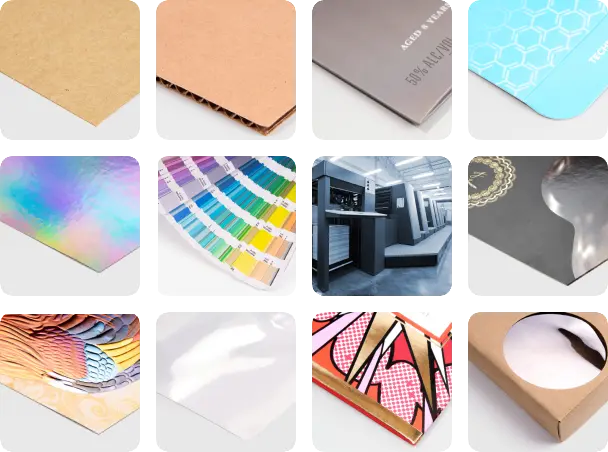
Want to make a statement with your custom packaging? Browse Huayang’s ever-growing library of materials, options and packaging features to find how you can make your new custom packaging as impactful as ever.


How Biodegradable Pouches are Revolutionizing the Packaging Industry
Release time:
2026/09/30
How Biodegradable Pouches are Revolutionizing the Packaging Industry Table of Contents Introduction to Biodegradable Pouches Understanding Biodegradable Materials Benefits of Biodegradable Pouches Comparison with Traditional Packaging Materials Applications in Various Industries Challenges and Solutions in Adopting Biodegradable Pouches The Future of Biodegradable Pack
How Biodegradable Pouches are Revolutionizing the Packaging Industry
Table of Contents
- Introduction to Biodegradable Pouches
- Understanding Biodegradable Materials
- Benefits of Biodegradable Pouches
- Comparison with Traditional Packaging Materials
- Applications in Various Industries
- Challenges and Solutions in Adopting Biodegradable Pouches
- The Future of Biodegradable Packaging
- FAQs about Biodegradable Pouches
- Conclusion
Introduction to Biodegradable Pouches
In recent years, the urgency for sustainable practices has surged, prompting industries worldwide to rethink their packaging strategies. **Biodegradable pouches** have emerged as a powerful solution, addressing the growing concern of plastic waste and environmental degradation. These innovative packaging options not only serve the functional needs of various products but also align with consumer demand for eco-friendly alternatives. In this article, we will explore how biodegradable pouches are revolutionizing the packaging industry, benefiting businesses and the environment alike.
Understanding Biodegradable Materials
Biodegradable materials are substances that can break down naturally through the action of living organisms, primarily microbes. **Biodegradable pouches** are typically made from materials such as polylactic acid (PLA), starch blends, or cellulose, which decompose within a specific timeframe under the right conditions. Understanding the different types of biodegradable materials is essential for businesses looking to make informed packaging decisions.
Types of Biodegradable Materials
1. **PLA (Polylactic Acid)**: Derived from renewable resources like corn starch, PLA is a popular choice for biodegradable pouches. It offers excellent barrier properties and is suitable for various food products.
2. **Starch-based Materials**: These materials are made from natural starch sources and can be blended with other biodegradable polymers to enhance their performance.
3. **Cellulose Films**: Derived from wood pulp, cellulose films are biodegradable and compostable, making them ideal for applications where visibility and barrier properties are crucial.
Benefits of Biodegradable Pouches
The adoption of biodegradable pouches brings numerous advantages to businesses and the environment. Here are some of the key benefits:
Sustainability and Environmental Impact
Biodegradable pouches significantly reduce the environmental footprint associated with traditional plastic packaging. By decomposing into natural substances, they help mitigate pollution and landfill overcrowding. This aligns with the global push for sustainable practices and helps brands enhance their reputation as environmentally conscious entities.
Consumer Preference and Brand Loyalty
Today's consumers are increasingly prioritizing eco-friendly products. By utilizing biodegradable pouches, businesses can attract environmentally conscious customers, fostering brand loyalty and encouraging repeat purchases. **Research shows** that consumers are willing to pay a premium for sustainable packaging, making it a financially viable strategy.
Regulatory Compliance and Market Advantage
With governments around the world implementing stricter regulations on plastic usage, adopting biodegradable packaging solutions can ensure compliance and give businesses a competitive edge. Companies that embrace sustainable practices often enjoy favorable public perception and enhanced market positioning.
Comparison with Traditional Packaging Materials
Understanding how biodegradable pouches stack up against traditional packaging materials is crucial for businesses considering a transition. Here's a detailed comparison:
Environmental Impact
Traditional plastic packaging takes hundreds of years to decompose, contributing to long-term environmental damage. In contrast, biodegradable pouches can break down within months under the right conditions, significantly reducing their ecological impact.
Cost Comparison
While biodegradable pouches may have a higher upfront cost compared to traditional plastic, the long-term benefits, including reduced waste management costs and potential tax incentives, can offset this initial investment. Moreover, as production scales increase, prices are expected to decrease.
Performance and Durability
Advancements in biodegradable materials have improved their barrier properties, making them suitable for a range of products, including food items that require protection from moisture and oxygen. While traditional packaging has long been viewed as more durable, ongoing innovations in biodegradable materials are closing this gap.
Applications in Various Industries
Biodegradable pouches have found diverse applications across multiple industries. Here are some notable examples:
Food Packaging
Biodegradable pouches are increasingly used for packaging snacks, frozen foods, and ready-to-eat meals. Their ability to preserve freshness while offering an eco-friendly alternative makes them highly desirable for food manufacturers.
Cosmetics and Personal Care
With a growing emphasis on sustainability, cosmetics brands are now opting for biodegradable pouches for packaging beauty products. This shift not only enhances product appeal but also aligns with consumer values.
Pharmaceuticals
The pharmaceutical industry is also exploring biodegradable packaging for medicines and supplements. This ensures that packaging aligns with the sector's commitment to health and safety while minimizing environmental impact.
Challenges and Solutions in Adopting Biodegradable Pouches
Despite the benefits, the transition to biodegradable pouches is not without challenges. Here are some common hurdles and potential solutions:
Consumer Awareness
Many consumers are still unaware of the existence and benefits of biodegradable pouches. Businesses must invest in educational marketing strategies to inform customers about the advantages of switching to biodegradable packaging.
Supply Chain Adjustments
Transitioning to biodegradable materials may require changes in the supply chain. Companies should collaborate with suppliers to develop a seamless transition plan that minimizes disruption.
Performance Concerns
Some businesses worry about the durability and performance of biodegradable pouches. However, ongoing research and innovation are continually improving these materials, ensuring they meet the demands of various applications.
The Future of Biodegradable Packaging
The future of biodegradable pouches looks promising. As technology continues to advance, we can expect further improvements in material performance, cost-effectiveness, and availability. **Innovations such as** enhanced barrier properties, better aesthetic qualities, and new biodegradable materials will open doors for broader applications across industries.
Furthermore, as consumer awareness grows, businesses that adopt biodegradable pouches early on may enjoy a first-mover advantage, positioning themselves as leaders in sustainable packaging solutions. Governments may also introduce incentives for companies that utilize eco-friendly packaging, making it an economically viable option for many businesses.
FAQs about Biodegradable Pouches
1. What are biodegradable pouches made of?
Biodegradable pouches are typically made from materials like polylactic acid (PLA), starch blends, and cellulose. These materials break down naturally over time, reducing environmental impact.
2. How long does it take for biodegradable pouches to decompose?
The decomposition time for biodegradable pouches can vary based on material and environmental conditions. Generally, they can break down within several months to a few years in suitable composting environments.
3. Are biodegradable pouches safe for food packaging?
Yes, many biodegradable pouches are designed specifically for food packaging and undergo rigorous testing to ensure they meet safety standards for food contact.
4. Can biodegradable pouches be recycled?
Recycling options for biodegradable pouches depend on local facilities. While some can be composted, it's essential to check local guidelines for recycling capabilities.
5. What are the economic implications of switching to biodegradable pouches?
While the initial cost may be higher compared to traditional plastic, the long-term benefits, including improved brand image and potential regulatory advantages, can outweigh these concerns.
Conclusion
Biodegradable pouches are undeniably poised to revolutionize the packaging industry, offering a sustainable alternative to traditional materials. As businesses increasingly prioritize eco-friendly practices, these innovative solutions not only help reduce environmental impact but also foster consumer loyalty and compliance with emerging regulations. The transition to biodegradable pouches may present challenges, but with proper education, collaboration, and ongoing advancements in technology, businesses can reap the benefits of being at the forefront of sustainable packaging. Embracing this change is not just a trend; it’s a responsibility toward a healthier planet.
keywords
Previous:
Latest News
Service Tel
Address
F2, Building 9, Yard 1, Shuangqiao Middle Road, Chaoyang District, Beijing
Beijing Huayang Yatai Trading Co., Ltd Powered by 300.cn SEO Tag


