
-
Product
 Customize
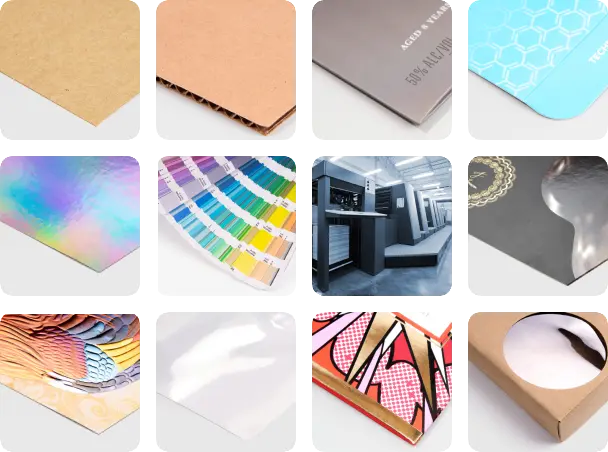
Want to make a statement with your custom packaging? Browse Huayang’s ever-growing library of materials, options and packaging features to find how you can make your new custom packaging as impactful as ever.


The Crucial Role of Design in Eco-Friendly Takeaway Packaging: Strategies for a Sustainable Future
Release time:
2026/08/13
The Crucial Role of Design in Eco-Friendly Takeaway Packaging Introduction: The Shift Towards Eco-Friendly Packaging Solutions In recent years, the demand for **sustainable packaging** solutions has surged as consumers become more aware of environmental issues. The takeaway food industry, which traditionally relied on single-use plastics, is now transitioning towards eco-friendly alternatives. Des
The Crucial Role of Design in Eco-Friendly Takeaway Packaging
Introduction: The Shift Towards Eco-Friendly Packaging Solutions
In recent years, the demand for **sustainable packaging** solutions has surged as consumers become more aware of environmental issues. The takeaway food industry, which traditionally relied on single-use plastics, is now transitioning towards eco-friendly alternatives. Design plays a vital role in this evolution, influencing not only the aesthetics and functionality of packaging but also its environmental impact.
As we delve into the role of design in eco-friendly takeaway packaging, we aim to explore how thoughtful design can lead to sustainable choices that benefit both businesses and the planet.
Table of Contents
1. Understanding Eco-Friendly Packaging
2. The Importance of Design in Packaging
3. Key Materials for Eco-Friendly Packaging
4. Essential Design Principles for Sustainable Packaging
5. How Aesthetics Influence Consumer Choices
6. Case Studies of Innovative Eco-Friendly Packaging Designs
7. Challenges in Designing Eco-Friendly Packaging
8. The Future of Eco-Friendly Packaging Design
9. Conclusion
10. FAQs
Understanding Eco-Friendly Packaging
Eco-friendly packaging refers to materials and designs that are sustainable and have a minimal impact on the environment. These packaging solutions are often made from renewable resources, recyclable materials, and biodegradable substances. The goal is to reduce waste, lower carbon footprints, and encourage responsible consumption.
The environmental impact of packaging is significant; it contributes to pollution, landfill waste, and the depletion of natural resources. As such, the importance of adopting eco-friendly practices in the packaging industry cannot be overstated.
The Importance of Design in Packaging
Design is not merely about making a product visually appealing; it encompasses functionality, usability, and sustainability. In eco-friendly takeaway packaging, design is crucial for several reasons:
1. **Consumer Appeal:** Consumers are more likely to purchase products that feature attractive, well-designed packaging. An effective design communicates the product's values and enhances brand identity.
2. **Functionality:** Packaging must serve its primary purpose – to protect the food and maintain its quality during transportation. Eco-friendly designs must balance sustainability with practical use.
3. **Brand Differentiation:** In a crowded marketplace, a unique design can set a brand apart from competitors. Eco-friendly packaging can become a key selling point.
4. **Environmental Responsibility:** Thoughtful design can minimize material usage, enhance recyclability, and reduce waste, contributing to overall sustainability.
Key Materials for Eco-Friendly Packaging
Selecting the right materials is fundamental to creating sustainable takeaway packaging. Various eco-friendly materials are available, each with unique properties:
1. **Recycled Paper and Cardboard:** These materials are biodegradable and recyclable, making them ideal for packaging. They can also provide excellent protection for food items.
2. **Bioplastics:** Derived from renewable sources like cornstarch or sugarcane, bioplastics are compostable and can replace traditional plastics in many applications.
3. **Mushroom Packaging:** An innovative solution, this biodegradable material is made from agricultural waste and mycelium. It decomposes naturally and offers excellent cushioning.
4. **Plant-Based Inks:** Using non-toxic, plant-based inks for printing on packaging reduces environmental impact and enhances the overall sustainability of the product.
5. **Glass and Metal:** While heavier than other materials, glass and metal are infinitely recyclable and can be reused, making them long-term sustainable options.
Essential Design Principles for Sustainable Packaging
To create effective eco-friendly takeaway packaging, several design principles should be followed:
1. **Minimalism:** Emphasizing simplicity reduces material usage and waste while focusing on functionality.
2. **Modularity:** Designing packaging that can be easily adapted or repurposed allows for versatility and reduced waste.
3. **User-Centric Design:** Understanding the needs and behaviors of consumers can guide the design process to create packaging that is easy to use and appealing.
4. **Lifecycle Thinking:** Considering the entire lifecycle of packaging – from sourcing and production to disposal – helps in designing sustainable solutions.
5. **Innovative Closure Systems:** Employing reusable, resealable, or alternative closure methods can reduce the need for additional sealing materials.
How Aesthetics Influence Consumer Choices
Aesthetics play a pivotal role in influencing consumer behavior. The visual aspects of packaging, such as color, shape, and typography, can evoke emotions and convey brand messages. Eco-friendly designs that are attractive and modern can enhance consumer trust and encourage purchases.
Moreover, consumers increasingly seek out brands that align with their values. Packaging that highlights sustainability through design can attract environmentally conscious customers. Brands should leverage storytelling through packaging to communicate their commitment to sustainability and engage consumers on a deeper level.
Case Studies of Innovative Eco-Friendly Packaging Designs
Examining successful case studies can provide valuable insights into effective eco-friendly packaging design:
1. **Starbucks:** The company has made significant strides in reducing single-use plastics by introducing reusable cups and innovative cup designs that are recyclable and compostable.
2. **Coca-Cola:** The beverage giant has launched plant-based bottles and committed to making its packaging 100% recyclable by 2025, focusing on sustainable design.
3. **McDonald’s:** The fast-food chain has transitioned to paper straws and biodegradable packaging, showcasing how traditional brands can embrace eco-friendly practices through design.
4. **Unilever:** With its "Sustainable Living" plan, Unilever has redesigned product packaging to reduce plastic usage and promote recyclability, demonstrating a commitment to sustainability.
These case studies illustrate how innovative design can create meaningful changes in packaging practices across various industries.
Challenges in Designing Eco-Friendly Packaging
While the benefits of eco-friendly packaging are clear, several challenges must be addressed:
1. **Cost:** Sustainable materials can be more expensive than traditional alternatives, which may deter some businesses from making the switch.
2. **Consumer Education:** Many consumers are not aware of the benefits of eco-friendly packaging, making it essential for brands to educate their audience on the advantages.
3. **Functionality vs. Sustainability:** Balancing the need for effective packaging with environmental concerns can be challenging, as some eco-friendly materials may not perform as well as conventional options.
4. **Scale of Production:** Small businesses may struggle to find suppliers who can offer sustainable materials at scale, complicating the transition to eco-friendly packaging.
5. **Regulatory Hurdles:** Different regions have varying regulations regarding packaging materials, which can complicate the design process for global brands.
The Future of Eco-Friendly Packaging Design
The future of eco-friendly takeaway packaging design is promising, driven by technological advancements and a growing commitment to sustainability. Innovations such as smart packaging, which incorporates technology to improve user experience and reduce waste, are on the rise. Additionally, the development of new sustainable materials, such as algae-based packaging, continues to expand the possibilities for eco-friendly design.
As consumer preferences shift towards sustainability, companies that prioritize eco-friendly design will likely gain a competitive advantage. Collaboration between businesses, designers, and consumers will be crucial in shaping a sustainable future for takeaway packaging.
Conclusion
The role of design in eco-friendly takeaway packaging is paramount, as it encompasses aesthetics, functionality, and sustainability. As businesses strive to meet consumer demand for environmentally responsible choices, the importance of thoughtful design cannot be overlooked. By embracing innovative materials and adhering to sustainable design principles, brands can create packaging that not only protects the product but also contributes positively to the environment.
The transition towards eco-friendly packaging is not merely a trend; it reflects a growing recognition of our responsibility to the planet. By prioritizing design in eco-friendly takeaway packaging, businesses can lead the way in creating a sustainable future.
FAQs
1. What materials are commonly used in eco-friendly takeaway packaging?
Eco-friendly takeaway packaging often utilizes materials such as recycled paper, bioplastics, mushroom packaging, and plant-based inks.
2. How does packaging design impact consumer behavior?
Attractive packaging can influence consumer choices by conveying brand values and creating a positive emotional connection with the product.
3. What are some challenges businesses face when adopting eco-friendly packaging?
Challenges include higher material costs, consumer education, balancing functionality with sustainability, production scalability, and regulatory compliance.
4. How can businesses educate consumers about eco-friendly packaging?
Businesses can engage consumers through marketing campaigns, social media, and educational content that highlights the benefits of sustainable packaging.
5. What is the future of eco-friendly packaging design?
The future includes advancements in technology, the development of innovative materials, and a stronger focus on sustainability, driven by consumer demand and regulatory changes.
keywords
Latest News
Service Tel
Address
F2, Building 9, Yard 1, Shuangqiao Middle Road, Chaoyang District, Beijing
Beijing Huayang Yatai Trading Co., Ltd Powered by 300.cn SEO Tag


